Leadership is hard work. Good leadership is really hard work. Today’s dynamic, rapidly changing knowledge economy provides an ever-shifting landscape that requires multiple perspectives to navigate well.
Exit the know-it-all, do-it-all leader.
Enter the self-aware, in-touch connector that can share leadership by pulling people, resources and ideas together to get the job done.
What is shared leadership? Marshall Goldsmith describes it this way in an excellent post: “Shared leadership involves maximizing all of the human resources in an organization by empowering individuals and giving them an opportunity to take leadership positions in their areas of expertise. With more complex markets increasing the demands on leadership, the job in many cases is simply too large for one individual. Sharing leadership isn’t easy, but it’s definitely possible, and in many cases, highly successful.”
Goldsmith suggests ways to share leadership and maximize talent. Here are a few:
- Give power away to the most qualified individuals to strengthen their capabilities.
- Define the limits of decision-making power.
- Cultivate a climate in which people feel free to take initiative on assignments.
- Give qualified people discretion and autonomy over their tasks and resources and encourage them to use these tools.
- Don’t second guess the decisions of those you have empowered to do so.
As leaders, our job is to constantly move those people our organizations touch from strangers to acquaintances, from acquaintances to friends, and from friends to partners in our common mission. Sharing leadership usually provides the best pathway to true partnership.
How are you learning to share leadership?
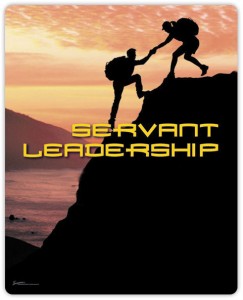 More and more conversations revolve around the type of leadership required in our rapidly changing global culture. Many cite the “new skills” needed in this environment, such as trust-building, empathy, networking, and the ability to empower others. Though few will come out and label this package as such, it seems to me we’re really talking about servant leadership.