 We are watching a fascinating leadership transformation in the Middle East. A dozen countries are experiencing political turmoil as protesters have flooded the streets, wanting their voices to be heard. Interestingly, they are not following a high-profile personality or even a named leader. One news report offered the term “crowd-led.” These crowds, or movements, don’t want merely to be represented, they want to participate – to share leadership – in shaping their nation’s future.
I believe these protests represent a shift in how the world thinks about and experiences leadership. Gone are the days of the in-charge, know-it-all, autocratic leader. Traditional leadership theories tend to focus on a leader and his or her character, vision, roles and skillsets. However, in recent years a growing number of influential thinkers view leadership as an activity that can be shared or distributed among members of a tribe, group or organization.
What is shared leadership?
Many questions coming from my organization’s recent restructuring revolve around the definition and practical expression of shared leadership. I’ve found Executive Coach Marshall Goldsmith’sdefinition helpful:
“Shared leadership involves maximizing all of the human resources in an organization by empowering individuals and giving them an opportunity to take leadership positions in their areas of expertise. With more complex markets increasing the demands on leadership, the job in many cases is simply too large for one individual.”
For us, this in no way diminishes the role of a team leader. Rather team leaders must now think differently about how they will attract, retain, develop and release a talented team to accomplish the mission. This desire to share the burden of leading with others who have greater expertise is crucial, particularly as our emphasis is shifting away from teams comprised of full-time staff members to teams of volunteers.
Is It Biblical?
Last year as I read through the Bible, God showed me several examples of shared leadership. Here are a few:
- God’s initiation to create humankind (“Let us make man in our image, after our likeness.” Genesis 1:26).
- Jethro coaching Moses to share his workload with trustworthy men who could lead thousands, hundreds, fifties and tens. (“you will certainly wear yourselves out, for the thing is too heavy for you…you are not able to do it alone”) Exodus 18:18-23.
- Joshua’s commissioning by Moses included sharing decision-making authority with Eleazar the priest, “who shall inquire for him…before the Lord” (Numbers 27:21).
- King Uzziah, a five-star talented achiever who refused to share leadership with the priesthood, ultimately suffered leprosy, shame and dethroning as a result (2 Chronicles 26).
- Barnabas and Paul, in their church planting strategy, rapidly selected and anointed elders (never a single elder) in every church (Acts 14:23, Titus 1:5).
How Does It Work?
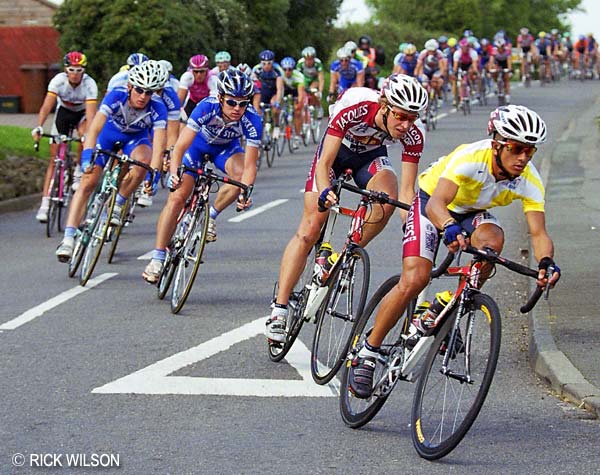
When I train with my bike club, we all recognize that it takes 30 percent more energy for the lead rider to ride out front–deflecting the wind and setting the course. Riders who draft behind the leader reap the benefit of a reduced headwind and do not have to work as hard. This allows them to save energy or recover until it’s their turn at the front. Typically, on a two-hour bike ride we will rotate the lead every three minutes.
During a recent bike ride we faced a stiff headwind. One poor guy tried to ride up front for too long and he was slowing down the pace of the whole group. Finally someone yelled out, “Hey guys, ROTATE!” signaling it was someone else’s turn to lead the paceline; our frontrunner needed our help. Gutting it out for too long may appear noble, but it slows everyone else down.
As you can imagine, Steve Douglass (our organization’s president) has exerted more energy to deflect primary headwinds and set our God-given course. Our Executive Team realized this as we began to better define our roles and goals. As we’ve discussed and mutually agreed upon ways that some of us could share the leadership burden, we’ve discovered that we can do more, with less stress. For me personally, I find my heart growing in willingness to trust my team members and experiencing much greater passion for our mission. I like that.
Make It Practical
Goldsmith suggests ways to share leadership and maximize talent. Here are a few:
- Give power away to the most qualified individuals to strengthen their capabilities.
- Define the limits of decision-making power.
- Cultivate a climate in which people feel free to take initiative on assignments.
- Give qualified people discretion and autonomy over their tasks and resources and encourage them to use these tools.
- Don’t second guess the decisions of those you have empowered to do so.
What steps could you take to live out shared leadership within your ministry or workplace context?